
When you have spent months or years feeling keyed up, mentally foggy, emotionally flat, or unable to settle after stress, being told to simply “think differently” can feel frustrating. This guide to LENS neurofeedback explains a brain-based option that may support your healing without asking you to force your way through every difficult feeling.
LENS neurofeedback is not a replacement for counseling, medication management, medical care, or your own voice in the healing process. It is a supportive tool that may help some people feel more regulated and better able to engage in the work that creates lasting change. For adults carrying anxiety, trauma responses, depression, grief, or chronic overwhelm, that support can matter.
LENS Neurofeedback: A Guide to What It Is
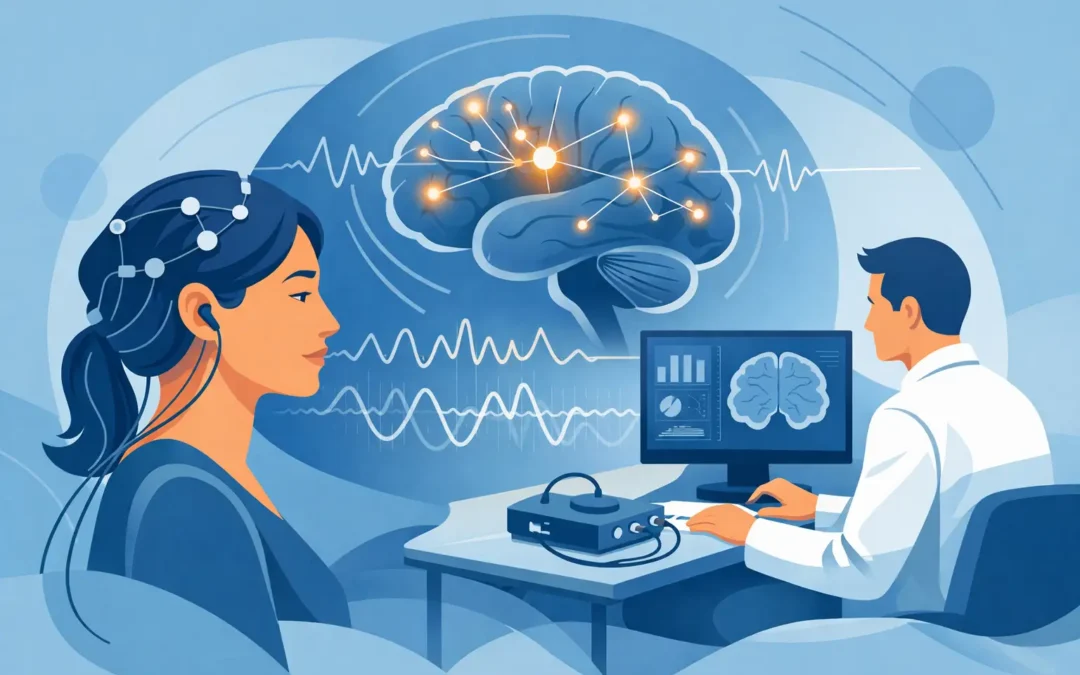
LENS stands for Low Energy Neurofeedback System. It is a form of neurofeedback, a noninvasive approach that uses information from the brain’s electrical activity to provide very brief feedback. During a session, small sensors are placed on the scalp to read brainwave activity. The sensors do not put electricity into your brain. They are simply measuring activity, much like a thermometer measures temperature.
A computer processes that information and delivers a tiny, individualized feedback signal through the sensors. The goal is not to control your brain or make it perform on command. Instead, LENS is designed to give the brain a small piece of information that may help it recognize and shift patterns that have become stuck or inefficient.
Think about the strain of being on high alert for too long. Your body may react before you have a chance to reason with it. You may wake up exhausted, overthink ordinary conversations, snap at people you love, or feel disconnected even when life is objectively going well. LENS neurofeedback is often used as one part of an integrative plan to support greater flexibility and regulation.
What a LENS Session Usually Feels Like
The first session typically begins with a conversation about what has been difficult, what you want to change, your health history, and any current supports. Your provider needs the full picture. Sleep, stress, medications, past head injuries, trauma history, and major life changes can all be relevant when deciding whether LENS is appropriate and how to approach it.
For the neurofeedback portion, you sit comfortably while sensors are placed at selected locations on your scalp. The actual feedback periods are brief, often lasting seconds rather than long stretches of time. There is no need to concentrate, relive painful memories, or try to make your mind blank. Many people find the experience quiet and simple.
What happens afterward varies. Some people notice they feel calmer, clearer, or more rested. Others notice subtle changes over time, such as sleeping more soundly, recovering from stress more quickly, or feeling less reactive in situations that used to throw them off balance. Some people notice little at first. Progress is personal, and it is rarely a straight line.
A thoughtful provider will check in between sessions and adjust based on your response. That ongoing conversation is essential. Neurofeedback should feel collaborative, not like something being done to you without your input.
Who May Consider LENS Neurofeedback?
People often explore LENS because their nervous system feels like it has been working overtime. They may understand their patterns intellectually but still feel caught in them physically and emotionally. Counseling can help you make meaning, build skills, process experiences, and strengthen relationships. Neurofeedback may help create enough internal steadiness for that work to feel more accessible.
LENS may be worth discussing if you are dealing with persistent anxiety, stress-related sleep trouble, emotional overwhelm, low mood, trauma-related hypervigilance, mental fatigue, or difficulty focusing. It can also appeal to people who want an approach that does not require extensive talking during every session.
That does not mean it is right for everyone. If you are in an acute mental health crisis, experiencing thoughts of harming yourself or others, or struggling with severe symptoms that need urgent evaluation, immediate crisis and medical support come first. LENS is not emergency care.
It is also wise to discuss neurofeedback carefully if you have a seizure disorder, a history of significant neurological concerns, a complex medical condition, or major recent medication changes. A qualified provider can help determine whether this approach fits your needs and coordinate with other members of your care team when appropriate.
What Research Says and What It Does Not Say
It is understandable to want a clear promise before investing your time, hope, and money. The honest answer is that neurofeedback research is still developing, and the evidence for LENS specifically is more limited than the evidence base for some other forms of neurofeedback. Existing studies and clinical reports suggest potential benefits for certain symptoms, but studies can be small, use different protocols, and produce mixed results.
That uncertainty does not mean your experience is unimportant. It means you deserve informed, realistic care. A responsible provider will not claim that LENS cures trauma, depression, anxiety, ADHD, or any other condition. They will help you identify meaningful goals, pay attention to changes, and reconsider the plan if it is not helping.
The best question is not “Will this work for everyone?” Nothing does. A better question is “Does this approach make sense for my symptoms, history, preferences, and overall treatment plan?”
Possible Side Effects and Why Communication Matters
LENS is generally described as gentle and noninvasive, but gentle does not mean identical for every nervous system. Some clients experience temporary tiredness, headache, increased dreaming, shifts in sleep, irritability, or emotional sensitivity after a session. Others may feel energized. These responses are usually short-lived, but they deserve attention.
Let your provider know about any changes, including ones that seem minor. Good care is responsive care. Session timing, placement, frequency, and overall pacing can be adjusted, and sometimes a pause is the right choice.
You should also keep taking prescribed medications unless the clinician who manages those medications advises otherwise. Neurofeedback can be part of your support system, but it should not lead you to make abrupt changes to medical or psychiatric treatment on your own.
LENS Works Best as Part of a Bigger Healing Plan
A regulated nervous system can make it easier to use the tools you are learning, but it cannot resolve every source of pain by itself. If grief needs witnessing, a relationship needs honest repair, or trauma needs careful processing, those parts of your story still deserve space.
This is where an integrative approach can be powerful. Counseling offers room to understand your experiences and practice new ways of responding. Trauma-informed therapies can help you process what still feels unfinished. Grounding, sleep support, movement, boundaries, and healthier connection all give your brain and body more opportunities to experience safety.
At Jump Start Counseling and Neurofeedback, LENS can be considered alongside counseling and other supportive approaches, always with the goal of helping you move from survival mode toward a life that feels more like your own. The point is not to become a different person. It is to feel freer to be the person you already are beneath the stress, fear, and exhaustion.
Questions to Ask Before You Begin
Before starting, ask how your provider determines whether LENS is a good fit, what goals you will track, and how they respond if you feel worse or notice unexpected changes. Ask about their training and experience, the expected session frequency, cost, and how LENS fits with your current therapy, medications, or medical care.
You do not need to have every answer before taking the next step. You only need enough information to make a grounded choice and a provider who respects your pace. Healing is not about rushing past what hurts. It is about finding support that helps you meet your life with more clarity, courage, and room to breathe.
