
When your mind feels stuck in overdrive, simple advice like “just relax” can feel almost insulting. If you have been living with anxiety, trauma stress, brain fog, irritability, poor sleep, or the heavy exhaustion that comes from always being on edge, lens neurofeedback therapy may offer a different path forward. It is designed to help the brain shift out of patterns that no longer serve you, often in a way that feels gentler and less effortful than trying to think your way out of distress.
What lens neurofeedback therapy is
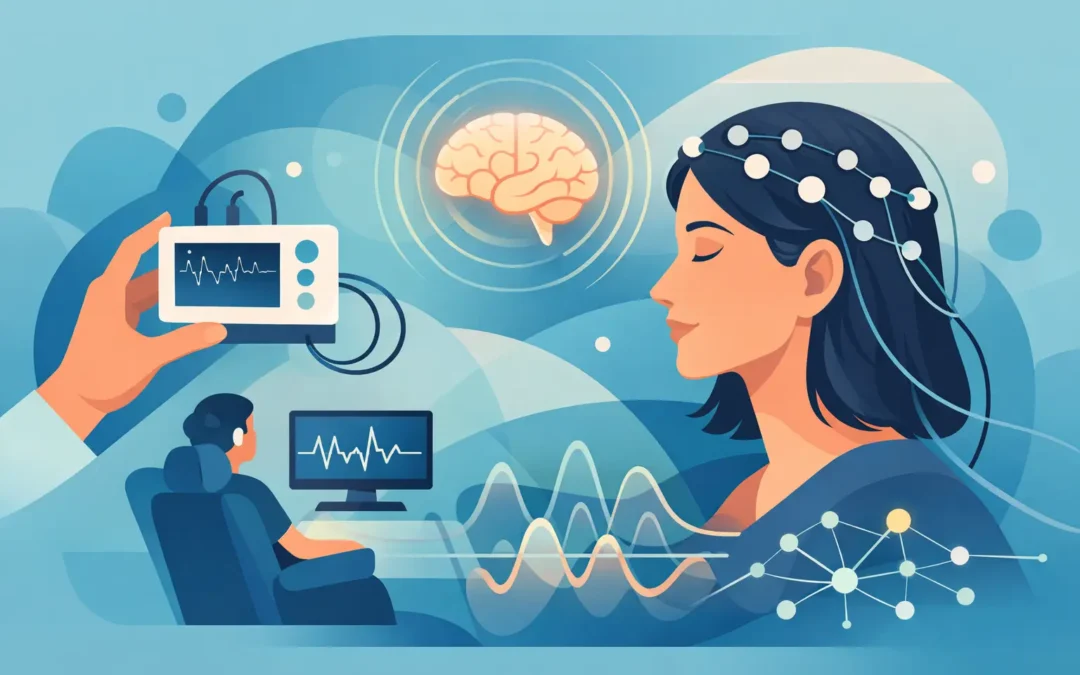
LENS stands for Low Energy Neurofeedback System. It is a form of neurofeedback that works with the brain’s electrical activity and gives very brief, low-intensity feedback intended to help the nervous system reset and reorganize. Unlike approaches that ask you to actively play a game, watch a screen, or concentrate for long periods, LENS is usually passive. You sit, sensors are placed on your scalp and ears, and the system reads brainwave patterns while delivering tiny signals for fractions of a second.
That may sound highly technical, but the goal is very human. The purpose is to help a stressed, stuck, or dysregulated nervous system become more flexible. When the brain becomes less locked into survival-based patterns, people often notice that they feel calmer, clearer, and more able to respond to life instead of constantly reacting to it.
How LENS neurofeedback therapy works
Your brain is always adapting to what you have lived through. That is helpful when the environment is safe and stable. It is much harder when you have experienced chronic stress, trauma, grief, relationship pain, burnout, or years of anxiety and depression. In those cases, the brain can get pulled into repetitive patterns like hypervigilance, racing thoughts, shutdown, poor concentration, or emotional overwhelm.
LENS neurofeedback therapy is based on the idea that the brain can shift when it receives feedback about its own activity. During a session, sensors monitor brainwave activity at selected sites. The system then delivers a very subtle electromagnetic signal, customized to the moment, for an extremely short duration. This is not meant to force the brain to do something unnatural. It is more like offering the brain a mirror and a nudge.
For many clients, that matters. If you are already exhausted, the last thing you need is another treatment that asks you to perform, push, or power through. LENS is often appealing because the process can be brief, gentle, and supportive of the brain’s own ability to reorganize.
What a session usually feels like
Most people want to know one thing first – what does it actually feel like?
A LENS session is usually simple and low-key. Sensors are placed on the scalp and ears to read brainwave patterns. The feedback itself is extremely brief. Many people do not feel the signal at all. Others notice subtle shifts such as deep relaxation, mental quiet, light fatigue, emotional release, or a sense that their body has finally exhaled.
Some clients feel better quickly. Others notice change more gradually over a series of sessions. It depends on what your nervous system has been carrying, how reactive it is, and whether other support is happening at the same time, such as counseling, trauma therapy, or EMDR.
There can also be temporary responses. A person might feel tired after a session, have more vivid dreams, or notice emotions surfacing that had been held down for a long time. That does not automatically mean something is wrong. It often means the brain and body are adjusting. Still, treatment should be guided thoughtfully and at a pace that feels manageable.
Who may benefit from lens neurofeedback therapy
LENS is not a magic fix, and it is not the right tool for every person or every problem. But it can be a meaningful option for adults who feel like they have tried hard to cope and still do not feel like themselves.
People often seek lens neurofeedback therapy for anxiety, trauma symptoms, chronic stress, depression, sleep issues, irritability, poor focus, mental fog, and nervous system overload. It may also help people who feel emotionally flat, easily triggered, physically tense, or unable to settle even when life looks fine from the outside.
This can be especially helpful for people who say things like, “I know I am safe, but my body does not believe it,” or “I understand my patterns, but I still cannot stop them.” That gap between insight and actual change is where brain-based support can make a real difference.
LENS and trauma recovery
Trauma is not only a memory problem. It is also a nervous system problem. After overwhelming experiences, the brain may stay locked in protection mode. That can show up as panic, numbness, sleep disruption, startle responses, relationship conflict, dissociation, or a constant sense of threat.
Talk therapy can be deeply valuable in trauma recovery, but many people need more than words alone. They need help calming the brain and body enough to actually receive the benefits of counseling. LENS can support that process by helping reduce some of the nervous system reactivity that keeps people stuck.
This is one reason integrative care matters. When neurofeedback is paired with skilled counseling, clients often have more room to process emotions, build insight, and make practical changes in their lives. They are not just surviving between sessions. They are gaining the internal steadiness needed to move forward.
How LENS differs from other neurofeedback approaches
Not all neurofeedback is the same. Some forms involve longer sessions, repeated training exercises, or active participation with visual and auditory cues. LENS tends to be shorter and more passive. That can be a major advantage for people who are highly sensitive, fatigued, overstimulated, or too overwhelmed to tolerate more demanding protocols.
That said, shorter and gentler does not mean better for everyone in every situation. Some clients respond beautifully to LENS. Others may need a different neurofeedback method, more traditional therapy, or a broader treatment plan that addresses sleep, relationships, trauma triggers, and physical health factors. Good care is never one-size-fits-all.
What to expect over time
Progress with lens neurofeedback therapy is often uneven in the most normal way. You may notice that your sleep improves before your mood does. You may feel less reactive at work but still get overwhelmed in close relationships. You may suddenly realize that the background noise in your mind is quieter, even if you cannot point to one dramatic moment when everything changed.
That kind of progress counts.
Healing is not always loud. Sometimes it looks like getting through the day without the usual crash. Sometimes it looks like having a hard conversation without spiraling afterward. Sometimes it looks like waking up and realizing your body is not bracing for impact before your feet even hit the floor.
Why an integrative approach matters
For many people, the best results come when neurofeedback is part of a larger healing plan. If your stress has affected your thoughts, emotions, body, and relationships, your care should be wide enough to meet the whole picture.
That is where a practice like Jump Start Counseling and Neurofeedback can offer something meaningful. Instead of treating symptoms in isolation, an integrative approach can support emotional processing, nervous system regulation, trauma recovery, and practical life change at the same time. You do not have to choose between being understood and making progress. You deserve both.
Is lens neurofeedback therapy right for you?
If you are curious about LENS, the real question is not whether it sounds impressive. The real question is whether your current approach is helping you feel more free, more grounded, and more fully alive.
If you are still stuck in cycles of anxiety, shutdown, sadness, overwhelm, or mental fatigue, it may be time to consider support that works directly with the brain and nervous system. Lens neurofeedback therapy can be a helpful option for people who want change that reaches deeper than temporary coping.
You do not have to force your way into healing. Sometimes the next step is not pushing harder. Sometimes it is giving your brain and body the right kind of support so they can finally begin to shift.
A new beginning often starts quietly – with one decision to stop carrying all of this alone and let real change begin.
