
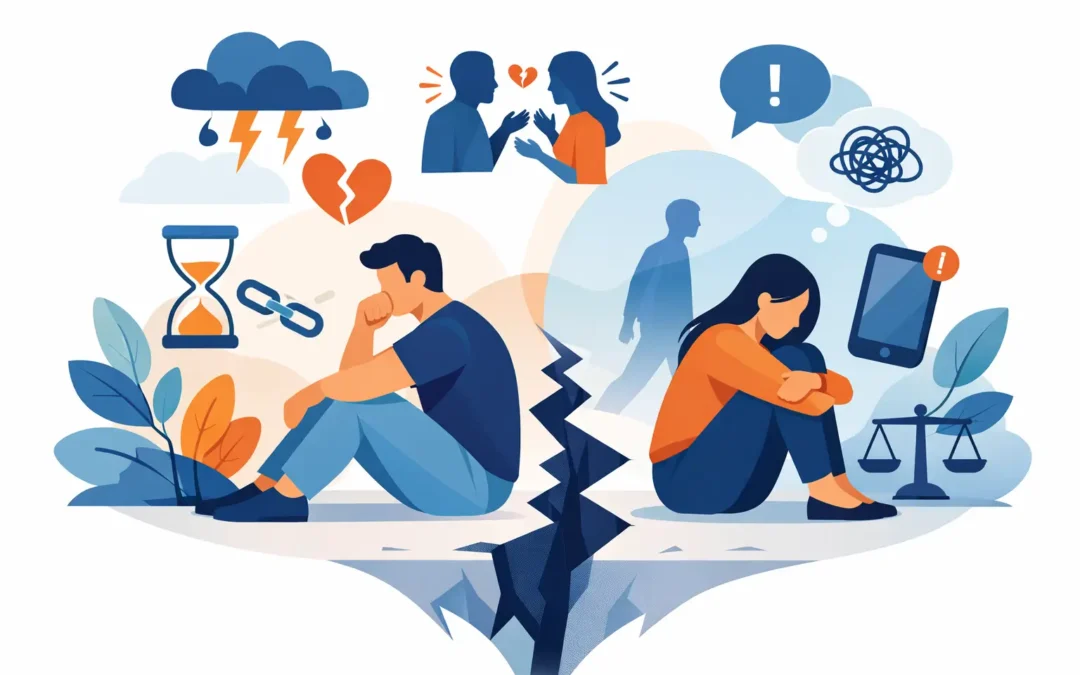
A disagreement about dishes, spending, or who forgot to call can feel far bigger than the moment itself. That is because relationship conflict causes are rarely just about the surface issue. Underneath the argument may be a need to feel respected, safe, wanted, heard, or supported. When those needs go unspoken or unanswered too many times, even loving couples can begin to feel like opponents.
Conflict does not automatically mean a relationship is failing. Two people with separate histories, nervous systems, expectations, and daily pressures will have differences. The concern is not whether conflict happens. It is whether the same pain keeps repeating, whether conversations become hurtful or shut down, and whether repair feels out of reach.
The relationship conflict causes beneath the argument
Most recurring conflict has more than one cause. Looking beneath the latest disagreement can help you move out of blame and toward a clearer, more compassionate understanding of what is happening between you.
1. Communication turns into protection
When a person feels criticized, dismissed, or misunderstood, they often protect themselves. One partner may raise their voice, point out every past failure, or demand an immediate answer. The other may go quiet, leave the room, become sarcastic, or say, “Whatever you want.”
Neither response usually comes from a lack of caring. More often, both people are trying to avoid feeling hurt, powerless, or rejected. But pursuing and withdrawing can quickly become a painful cycle. The more one person pushes for connection, the more the other pulls away. The more the other pulls away, the more urgent the first person feels.
2. Old wounds enter the present moment
A partner coming home late may trigger more than frustration if you grew up with inconsistency or abandonment. A simple request may feel controlling to someone who has experienced criticism, trauma, or a relationship where their needs did not matter. These reactions can seem disproportionate until you understand the history behind them.
Past pain is not a character flaw, and it is not an excuse to hurt each other. It is information. Healing often begins when couples can say, “This is touching something tender in me,” instead of assuming their partner intends harm.
3. Stress leaves no room for patience
Work pressure, financial strain, parenting demands, caregiving, health concerns, grief, and poor sleep can drain the emotional energy a relationship needs. When your nervous system is already overloaded, a minor inconvenience can land like one more unbearable demand.
This does not mean stress is the only problem. It does mean timing and capacity matter. A couple may have more success discussing a difficult topic after food, rest, and a few quiet minutes than they will in the doorway after an exhausting day. Sometimes the most productive first step is learning to recognize when neither person is regulated enough to solve the issue well.
4. Unspoken expectations create resentment
Many partners assume love should make their needs obvious. One person believes birthdays require thoughtful planning. Another believes shared bills should be handled without discussion. One expects frequent affection; the other feels loved through practical help and reliability.
When expectations remain unspoken, disappointment can turn into resentment. The hurt partner may think, “If I mattered, you would know.” The other partner may feel confused, criticized, and set up to fail. Clear requests are more vulnerable than assumptions, but they also give your partner a real chance to show up.
5. The division of labor feels unfair
Conflict often grows around invisible work: keeping track of appointments, planning meals, managing children’s needs, noticing what is running low, remembering family obligations, or carrying the emotional temperature of the home. A partner may contribute in meaningful ways and still not see the weight the other person carries.
This conversation is not always solved by splitting every task exactly in half. Work schedules, health, abilities, and family responsibilities differ. What matters is that both people can speak honestly about the load, feel appreciated for their efforts, and create agreements that feel fair enough for this season of life.
6. Connection has been replaced by logistics
Couples can become highly efficient teammates while slowly losing emotional closeness. Conversations become about rides, groceries, schedules, bills, pets, or children. Physical intimacy may fade, not necessarily because attraction is gone, but because exhaustion, unresolved hurt, medical changes, anxiety, or disconnection have taken up the available space.
Connection needs intention. A meaningful question, a few minutes without devices, affectionate touch with no pressure attached, or a shared activity can help rebuild warmth. Small moments matter because they remind each partner: we are more than the problems we have to manage.
7. Money, family, and values reveal real differences
Some disagreements are not misunderstandings. They are genuine differences in priorities. Couples may see spending, saving, parenting, religion, politics, privacy, boundaries with relatives, or substance use in very different ways.
These issues require more than better wording. They call for honest negotiation and a willingness to understand what a value means to the other person. A disagreement about money, for example, may actually be about security, freedom, generosity, control, or fear. The goal is not to erase every difference. It is to find agreements that honor both people without asking either one to disappear.
8. There is no repair after hurt
Every close relationship includes moments of disappointment. What builds trust is repair: acknowledging impact, taking responsibility, offering a sincere apology, and changing behavior when possible. Without repair, hurts pile up. A current disagreement then carries the emotional weight of ten older ones.
Repair is different from saying, “I am sorry you feel that way.” It sounds more like, “I see that I embarrassed you. I was defensive, and I understand why that hurt. I want to handle it differently next time.” A healthy repair does not demand instant forgiveness. It creates a safer path back toward each other.
How to interrupt a recurring conflict pattern
Start by naming the pattern, not just the person you believe is causing it. Instead of “You never listen,” try, “When I feel unheard, I get louder. Then you shut down, and we both end up feeling alone.” This approach makes the cycle the problem, not your partner.
Choose a time to talk when you are both more available. Speak from your own experience using specific examples, and ask one question before making another point. You might say, “When plans change without telling me, I feel unimportant. Can you help me understand what was happening for you?” Listening does not mean you have to agree. It means you are making room for the full truth of the moment.
If a conversation becomes flooded with anger, panic, or shutdown, take a planned break. Agree on when you will return, whether that is in 20 minutes or later that evening. A break is not abandonment when it includes a clear commitment to come back. During that time, focus on calming your body rather than rehearsing your next argument.
When couples counseling can help
Some patterns are hard to change alone, especially when trauma, betrayal, depression, anxiety, chronic stress, or long-standing resentment are part of the picture. Couples counseling offers a structured place to slow down the conflict, understand the emotions underneath it, and practice new ways of communicating without one partner carrying the entire burden of change.
At Jump Start Counseling and Neurofeedback, couples can explore relational pain with compassion while building practical skills for connection, boundaries, repair, and emotional regulation. Integrative support may also be helpful when stress or past experiences are keeping the nervous system on high alert.
You do not have to wait until every conversation feels impossible. Reaching for support can be a courageous choice to protect what matters, understand each other more deeply, and create a new beginning together.
